Rajasthan is known for its forts, palaces, colourful markets, traditional food and rich cultural heritage. But the experience of exploring the state can change quite a bit depending on the season. During summer, the heat can make long sightseeing trips difficult, especially in cities such as Jaipur, Jodhpur and Jaisalmer.
Winter offers more comfortable conditions for exploring Rajasthan. From October to March, travellers can spend more time visiting historical sites, walking through local markets, enjoying traditional Rajasthani meals and discovering the state's cultural attractions.
If you are looking for the best time to visit Rajasthan, winter is one of the most suitable seasons. Here is a practical guide to the places worth visiting, local food to try and cultural experiences to include in your trip.
1. Why Winter Is a Good Time to Visit Rajasthan
Rajasthan's winter season generally lasts from October to March. During this period, daytime temperatures are more comfortable for sightseeing, although nights can get quite cold, particularly in desert areas.
Here are a few reasons to choose winter for your trip:
- Comfortable sightseeing: Explore forts, palaces, temples and local markets without dealing with the intense summer heat.
- Better time for desert trips: Cooler weather makes visiting Jaisalmer and exploring the Thar Desert more comfortable.
- Cultural festivals: Winter brings several cultural events and fairs, giving visitors a chance to experience local music, art, traditions and crafts.
- Outdoor activities: Walking tours, heritage sightseeing and exploring local attractions are easier to fit into your itinerary.
If you are travelling in December or January, carry warm clothes for the evenings. Desert destinations can become particularly cold after sunset.
2. Top Rajasthan Tourist Places to Explore in Winter
Rajasthan has several destinations with different landscapes, architecture and local traditions. You can explore royal cities, lakeside attractions, desert villages and historical landmarks in one trip.
Here are some of the Rajasthan tourist places worth adding to your winter itinerary.
Jaipur – Explore the Pink City
Jaipur is a good starting point for exploring Rajasthan. The city is known for its historic buildings, traditional markets and royal architecture.
Some popular places to visit in Jaipur include:
- Amber Fort: Explore its grand courtyards, gateways and historic architecture.
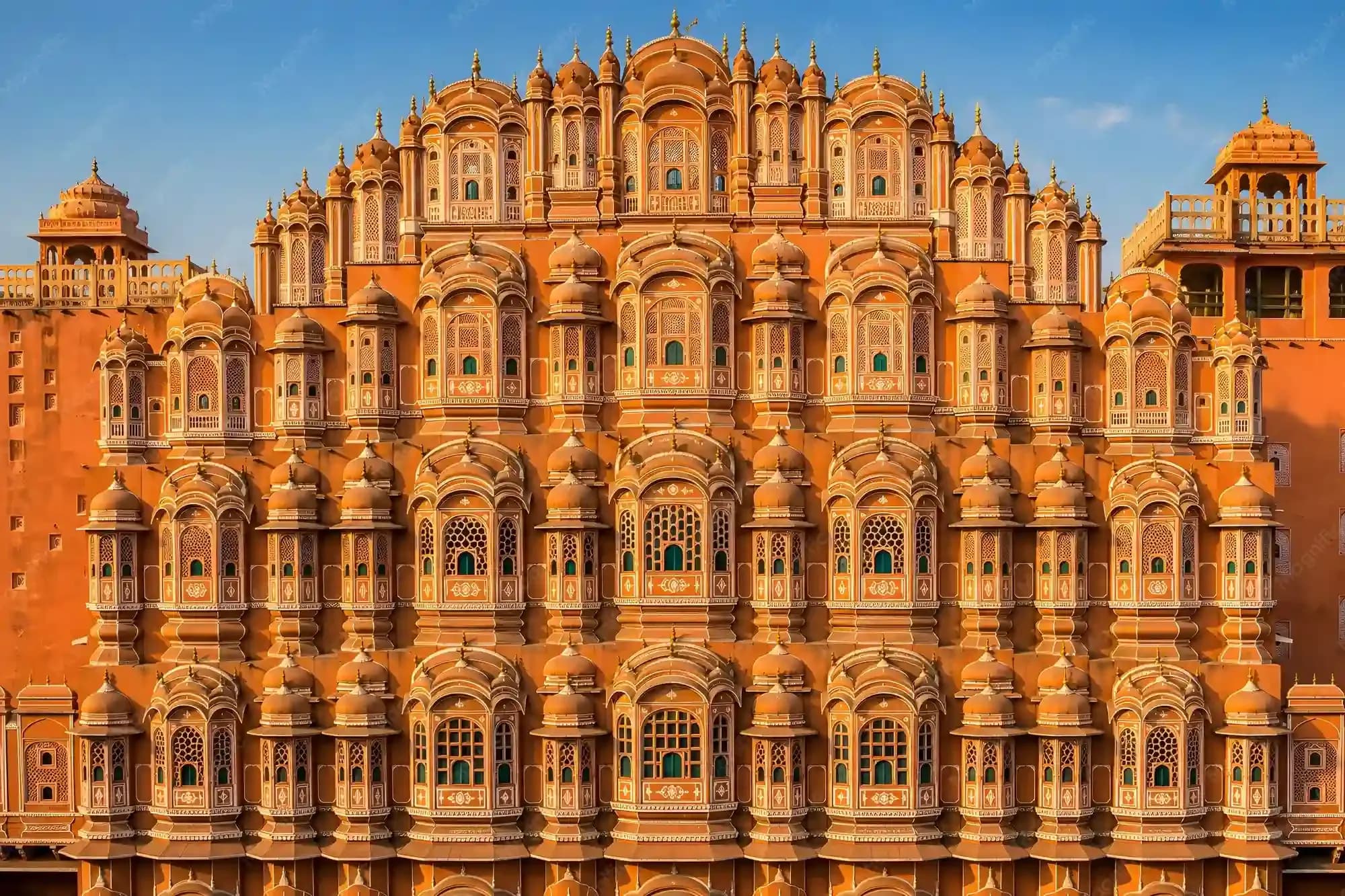
- Hawa Mahal: Known for its distinctive façade and numerous windows.
- City Palace: Discover royal collections, courtyards and historic architecture.
- Jantar Mantar: Visit the UNESCO-listed astronomical observatory.
You can also spend time shopping at Johari Bazaar and Bapu Bazaar, where you will find traditional jewellery, textiles and handicrafts.
Udaipur – Enjoy the City of Lakes
Udaipur is known for its lakes, palaces and old-city charm. Winter is a comfortable time to explore its main attractions and enjoy the views around Lake Pichola.
Places worth visiting include:
- City Palace: A historic palace complex overlooking Lake Pichola.
- Lake Pichola: Enjoy the lakeside surroundings and explore available boat rides.
- Jagdish Temple: Visit this well-known temple in the old city.
- Fateh Sagar Lake: Spend some time around the lake and enjoy the surrounding views.
Udaipur is a good choice for travellers who prefer a relaxed holiday with a mix of sightseeing and local experiences.
Jaisalmer – Experience the Thar Desert
Winter is particularly suitable for visiting Jaisalmer because of its desert location. The cooler weather makes it easier to explore the city and plan outdoor activities.
Some attractions to include are:
- Jaisalmer Fort: Explore the famous golden sandstone fort.
- Patwon Ki Haveli: See the detailed architecture of this historic haveli.
- Sam Sand Dunes: Experience the desert landscape and check available camel safari options.
- Gadisar Lake: Visit this historic lake and enjoy its surroundings.
If you plan to spend an evening in the desert, carry warm clothing. Temperatures can drop considerably after sunset.
Jodhpur – Discover the Blue City
Jodhpur offers a different side of Rajasthan, with blue-painted houses, traditional streets and impressive historical buildings.
Don't miss these attractions:
- Mehrangarh Fort: One of the city's most recognised historical landmarks.
- Umaid Bhawan Palace: Known for its royal architecture and museum.
- Jaswant Thada: A marble memorial near Mehrangarh Fort.
- Clock Tower Market: Explore the local market and shop for spices, handicrafts and other products.
A walk through the old city is a good way to discover Jodhpur's local character.
Pushkar – Explore Local Traditions
Pushkar is known for its sacred lake, temples and traditional markets. It is also associated with the famous Pushkar Camel Fair, which attracts visitors interested in Rajasthan's rural traditions and cultural activities.
During your visit, explore:
- Pushkar Lake: Visit the ghats surrounding this sacred lake.
- Brahma Temple: One of Pushkar's best-known religious attractions.
- Savitri Temple: A temple situated on a hill overlooking the town.
- Local markets: Browse traditional clothing, handicrafts and souvenirs.
If you want to attend the Pushkar Camel Fair, check the dates before booking, as the event follows an annual calendar.
3. Rajasthani Food You Should Try During Winter
Food is an important part of exploring Rajasthan. Traditional recipes use local ingredients, spices and cooking methods that give the cuisine its distinct flavour.
Here are some popular dishes to try during your trip:
- Dal Baati Churma: A traditional combination of lentils, baked wheat balls and sweet churma.
- Gatte Ki Sabzi: Gram flour dumplings cooked in a spiced yoghurt-based gravy, usually served with roti or rice.
- Ker Sangri: A traditional regional dish prepared using desert beans and berries.
- Pyaaz Kachori: A popular snack filled with a spiced onion mixture.
- Ghewar: A traditional Rajasthani sweet, often associated with festivals and celebrations.
You can try these dishes at local restaurants and traditional food outlets. If you enjoy exploring regional cuisine, ordering a Rajasthani thali is a good way to sample several dishes in one meal.
4. Experience Rajasthan's Culture and Winter Festivals
Rajasthan's culture is closely connected to its folk music, dance, handicrafts and local traditions. Winter is a good time to experience these activities alongside regular sightseeing.
Some cultural experiences to consider include:
- Folk music and dance: Look for local performances featuring traditional Rajasthani music and dance forms.
- Puppet shows: Kathputli performances tell stories through colourful traditional puppets.
- Local handicrafts: Explore markets for block-printed fabrics, pottery, jewellery, leather products and other regional crafts.
- Traditional fairs: Events such as the Pushkar Camel Fair and other seasonal festivals offer opportunities to learn about local customs and rural life.
Festival dates and programmes change each year, so check the official event details before planning your travel around a particular celebration.
5. Practical Tips for Planning a Rajasthan Winter Trip
A little planning can make your journey more comfortable, especially if you are visiting several cities.
- Choose your travel dates carefully: October to March is generally suitable for sightseeing. December and January can have colder nights.
- Pack warm clothes: Carry jackets, sweaters and comfortable clothing for early mornings and evenings.
- Book accommodation in advance: Popular destinations can attract more visitors during the winter holiday season.
- Plan your route: Jaipur, Jodhpur, Jaisalmer and Udaipur are spread across the state. Allow enough travel time between destinations.
- Wear comfortable footwear: Forts, palaces and old-city streets often involve considerable walking.
- Check attraction details: Confirm opening hours, entry requirements and activity availability before visiting.
If you have limited time, avoid trying to cover every city in one trip. Choose destinations based on your interests and allow enough time to explore each place.
6. Final Thoughts
Winter makes exploring Rajasthan easier and more enjoyable. You can spend your days visiting historic forts, walking through traditional markets, discovering local food and experiencing the state's cultural traditions.
From Jaipur's royal architecture and Udaipur's lakes to Jodhpur's blue streets and Jaisalmer's desert landscape, every destination offers something different.
If Rajasthan is on your travel list, consider planning your visit between October and March. Miles To Go can help you explore Rajasthan with a trip that includes the destinations and experiences you want to discover.
Frequently Asked Questions (FAQs)
1. What is the best time to visit Rajasthan?
October to March is generally considered the best time to visit Rajasthan. The weather is more comfortable for sightseeing, outdoor activities and exploring historical attractions.
2. Is December a good time to visit Rajasthan?
Yes. December is a popular month for visiting Rajasthan. The daytime weather is generally suitable for sightseeing, but nights can be cold, especially in Jaisalmer and other desert areas.
3. Which are the best places to visit in Rajasthan during winter?
Jaipur, Udaipur, Jodhpur, Jaisalmer and Pushkar are among the popular destinations to explore during winter. Each offers a different mix of history, culture, architecture and local experiences.
4. What traditional food should I try in Rajasthan?
Some popular dishes include Dal Baati Churma, Gatte Ki Sabzi, Ker Sangri, Pyaaz Kachori and Ghewar. You can also try a traditional Rajasthani thali.
5. How many days are enough for a Rajasthan trip?
The duration depends on how many destinations you want to cover. A shorter trip can focus on two or three cities, while a longer holiday gives you more time to explore destinations such as Jaipur, Udaipur, Jodhpur and Jaisalmer.
6. What clothes should I pack for Rajasthan in winter?
Pack comfortable daytime clothes along with sweaters, jackets or shawls for cold mornings and evenings. If you are visiting desert areas, carry extra warm layers.
Continue planning
Related planning guides

Andaman Trip Under ₹20,000 – Budget Travel Guide by Miles to Go
Practical trip insights and route guidance.
Meghalaya Monsoon Trip – A Magical Journey Through Waterfalls, Clouds & Living Landscapes with Miles to Go
Practical trip insights and route guidance.
Kerala Trip Itinerary for 7 Days: Best Places to Visit
Practical trip insights and route guidance.