Kerala in 5 Days: Best Places to Visit and Simple Itinerary
Where the Hills Meet the Water
The land of Kerala does not reveal itself all at once. The first impression might be a stretch of coconut palms beside the road, a hillside wrapped in mist, or the sight of fishing boats moving slowly across the water. Then the details begin to emerge: tea leaves drying in the mountain air, the smell of cardamom in a busy market, a narrow canal running behind someone's home. Each place feels connected to the next, yet carries its own rhythm.
You can expect a glimpse of this variety if you are wondering what would be the best Kerala tour plan. If you have 5 nights to spare and cover only the best Kerala has to offer then your journey should start from Cochin, a historic port city, into the cool hills of Munnar, through the forests and spice plantations of Thekkady, and finally to the backwaters of Alleppey. It is a route built around contrasts. There are winding mountain roads, wildlife experiences, quiet stretches of water and, at the end, the layered history of Kochi.
The idea is not to see every corner of the state in a hurry. Instead, this itinerary focuses on four destinations that work well together, offering a balanced introduction to Kerala's natural surroundings and cultural character.
THE ROUTE
Day 1: Cochin to Munnar, with stops at Valara and Cheyyappara waterfalls
Day 2: Munnar sightseeing, including Mattupetty Dam, Echo Point, Kundala Lake and the
Tea Museum
Day 3: Munnar to Thekkady, with boating at Periyar Lake and optional local activities
Day 4: Thekkady to Alleppey, followed by a houseboat stay
Day 5: Alleppey to Kochi, enjoy the local market
Day 6: Cochin, selected sightseeing and departure
MUNNAR: A CHANGE OF AIR
The journey begins at Cochin International Airport or the railway station, where the road gradually leaves the busy city behind. As the drive continues towards Munnar, the atmosphere changes. The air becomes cooler, the road begins to climb, and greenery takes over the view.
Located at around 1,600 metres above sea level, Munnar developed as a hill retreat during the British colonial period. Today, its tea plantations remain central to its identity, covering the slopes in orderly rows that follow the shape of the hills. On a clear day, the plantations stretch into the distance. When clouds settle low, parts of the road seem to disappear into the mist.
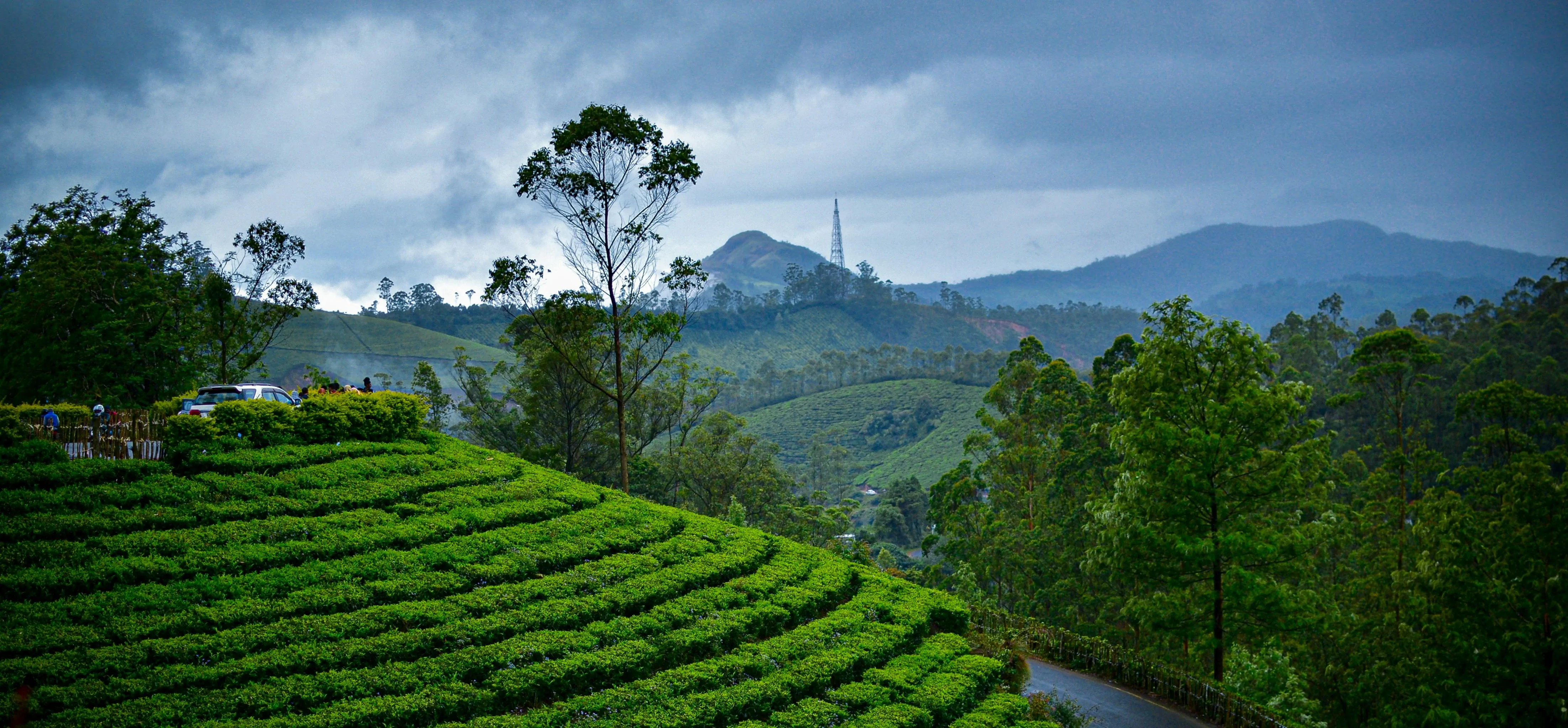
The drive itself is part of the experience. Valara Waterfalls and Cheyyappara Waterfalls make natural stopping points along the way. Cheyyappara tumbles down a series of rocky tiers, while Valara is surrounded by thick vegetation and smaller cascades. Their appearance changes with the season, with stronger water flow often seen during and after the monsoon. Both offer an opportunity to pause, stretch your legs and take in the surroundings before continuing uphill.
After reaching Munnar, check in to the hotel and keep the evening relatively free. There is little need to rush through another sightseeing list after several hours on the road. A walk around the town, a cup of hot tea or a short shopping stop is enough to settle into the mountain setting.
The following morning is reserved for Munnar's best-known attractions.
Mattupetty Dam and Lake offer views of the water against the surrounding hills. The area is popular for photography and leisurely stops, while the reservoir also serves an important practical purpose. A little farther along, Echo Point is known for the echo that carries across its natural surroundings. It can get busy, especially during peak holiday periods, but the setting remains worth seeing.
Kundala Lake provides another opportunity to slow down. Surrounded by hills and greenery, it offers a quieter pause along the route. Visitors may also find boating options available, depending on operating conditions.
The afternoon brings a different perspective on the region. The Tea Museum introduces visitors to the history of tea cultivation and processing, explaining how the industry helped shape Munnar. It adds useful context to the plantations seen from the road; the green slopes are no longer just a view, but part of a working agricultural history. Blossom Garden, meanwhile, offers landscaped green spaces and seasonal flowers.
Leave some room in the evening for shopping. Munnar is a good place to pick up locally produced tea, spices and small souvenirs. There is no need to overplan this part of the day. The charm lies in browsing at your own pace.
THEKKADY: INTO THE SPICE COUNTRY
The third day brings another change in scenery in your Kerala tour plan. After breakfast, the journey continues from Munnar to Thekkady, an area closely associated with forest reserves, spice plantations and the Periyar region. The route winds through the Western Ghats, moving away from tea-covered hills towards a setting shaped by dense vegetation and aromatic plantations.
The main attraction is Periyar Lake, within the Periyar Tiger Reserve area. A boat ride offers a different way to experience the forest. Instead of following a road or walking a trail, visitors move across the water while wooded banks and distant hills frame the view.
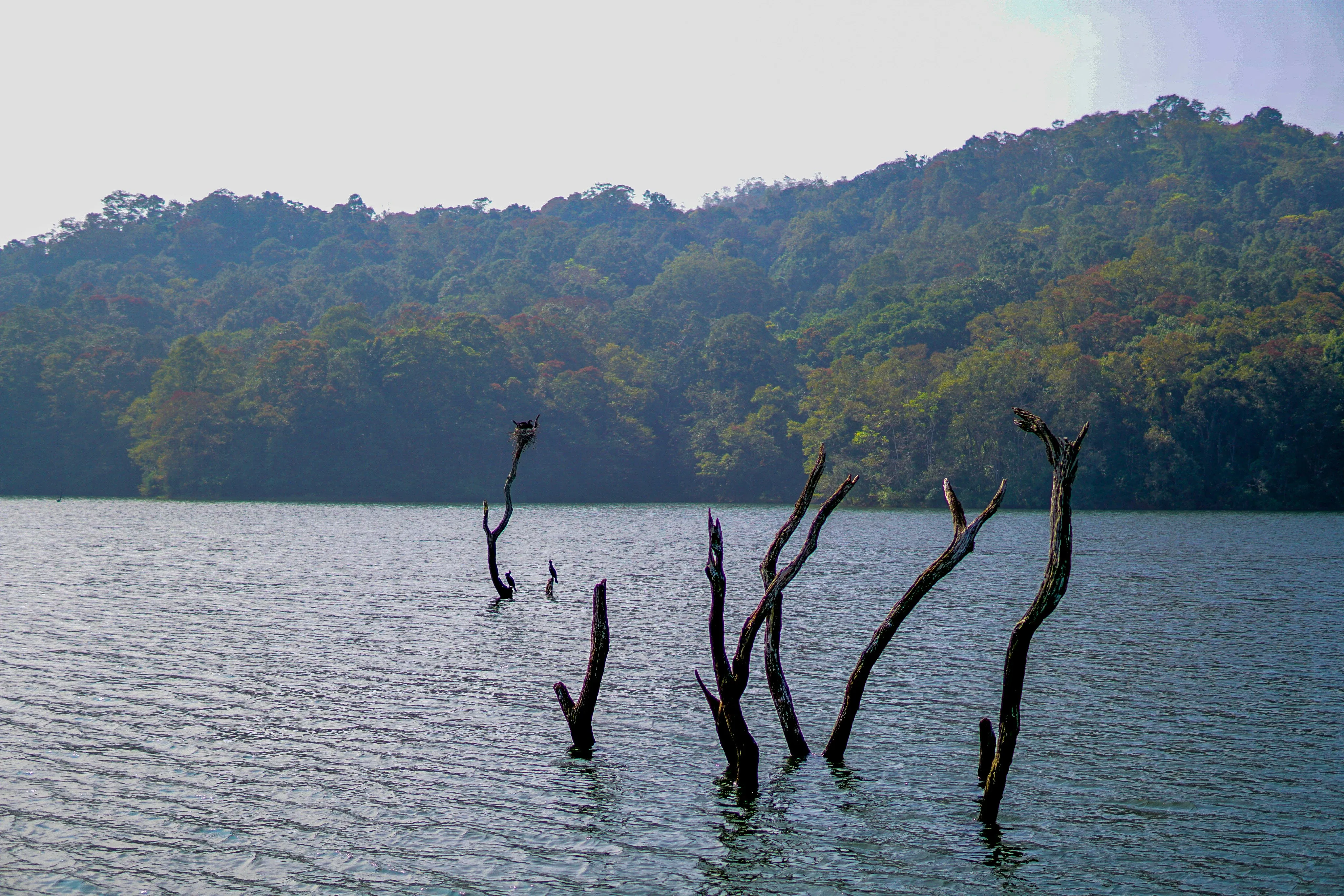
Birdlife is part of the experience, and visitors may spot animals such as deer, wild boar or elephants near the water. Wildlife sightings, however, cannot be guaranteed. The appeal is as much in observing the forest from the lake as it is in hoping for a memorable encounter. Boat services, ticket availability and timings should be checked in advance, particularly during busy travel periods.
Thekkady also leaves room for optional activities. Spice plantation tours introduce visitors to crops such as cardamom, pepper, cinnamon and cloves, all closely associated with Kerala's culinary traditions. Guided walks, trekking and bamboo rafting may appeal to those looking for a more active afternoon, subject to local availability and booking requirements.
For a cultural experience, travellers can consider attending a performance of Kathakali or Kalaripayattu. Kathakali combines elaborate costumes, expressive gestures and storytelling, while Kalaripayattu is a traditional martial art known for its disciplined movements. These activities are generally arranged at an additional cost and need not be included in every itinerary.
The best approach is to select one or two experiences rather than trying to fit everything into a single afternoon. By evening, Thekkady is a good place to explore local shops, sample regional food or return to the hotel for a relaxed dinner.
ALLEPPEY: A NIGHT ON THE WATER
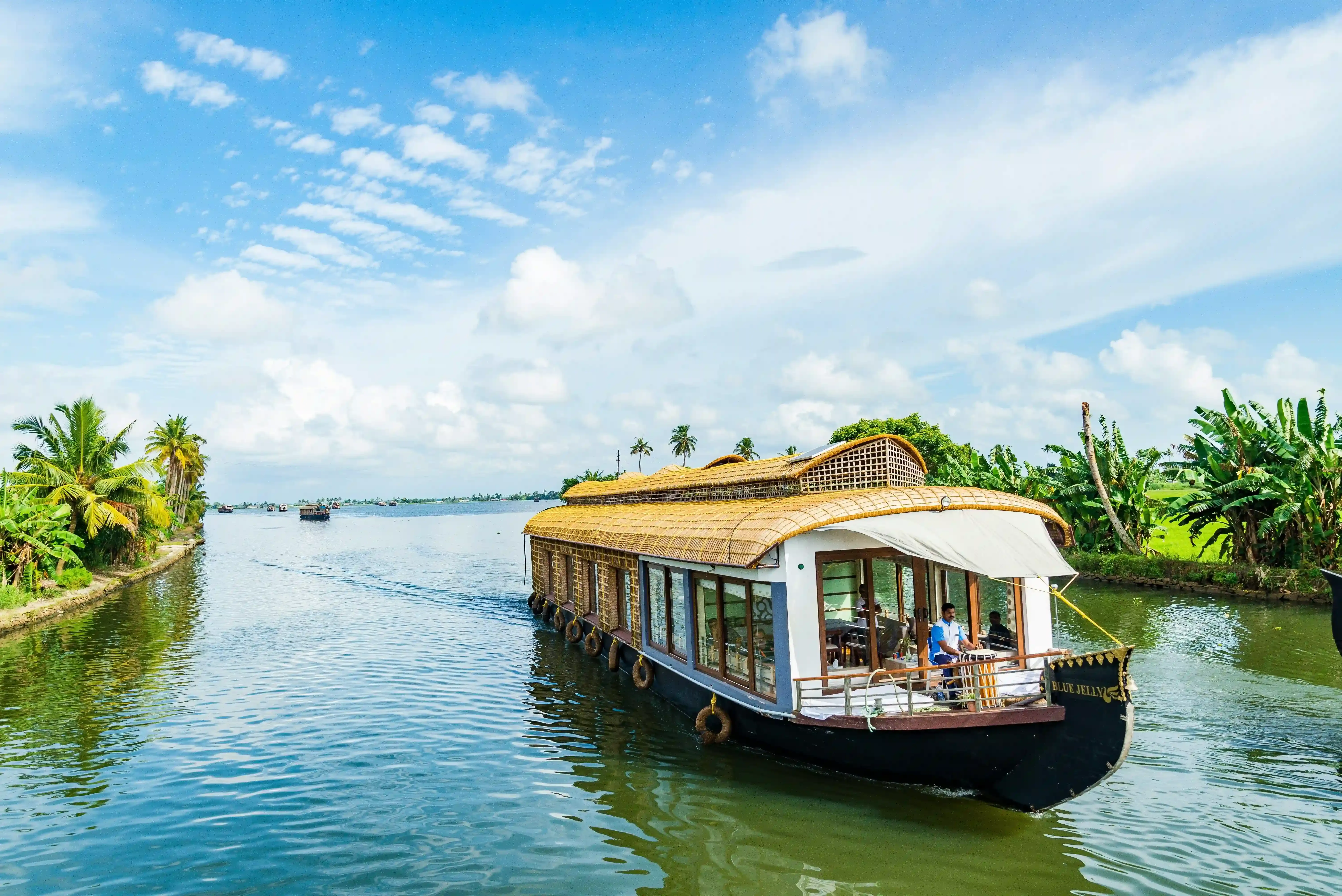
On Day 4, the journey turns towards Alleppey, officially known as Alappuzha, where Kerala's backwaters take centre stage of your Kerala trip package. The transition is noticeable. The hills give way to flatter country, and water begins to appear more frequently along the route.
Alleppey is known for its interconnected canals, lakes and waterways, many bordered by coconut palms, paddy fields and village homes. Life here often unfolds beside the water. Small boats pass along narrow channels, people work along the banks, and everyday errands continue at a pace that feels far removed from the traffic of a city.
The houseboat stay is the defining experience of this part of the journey.
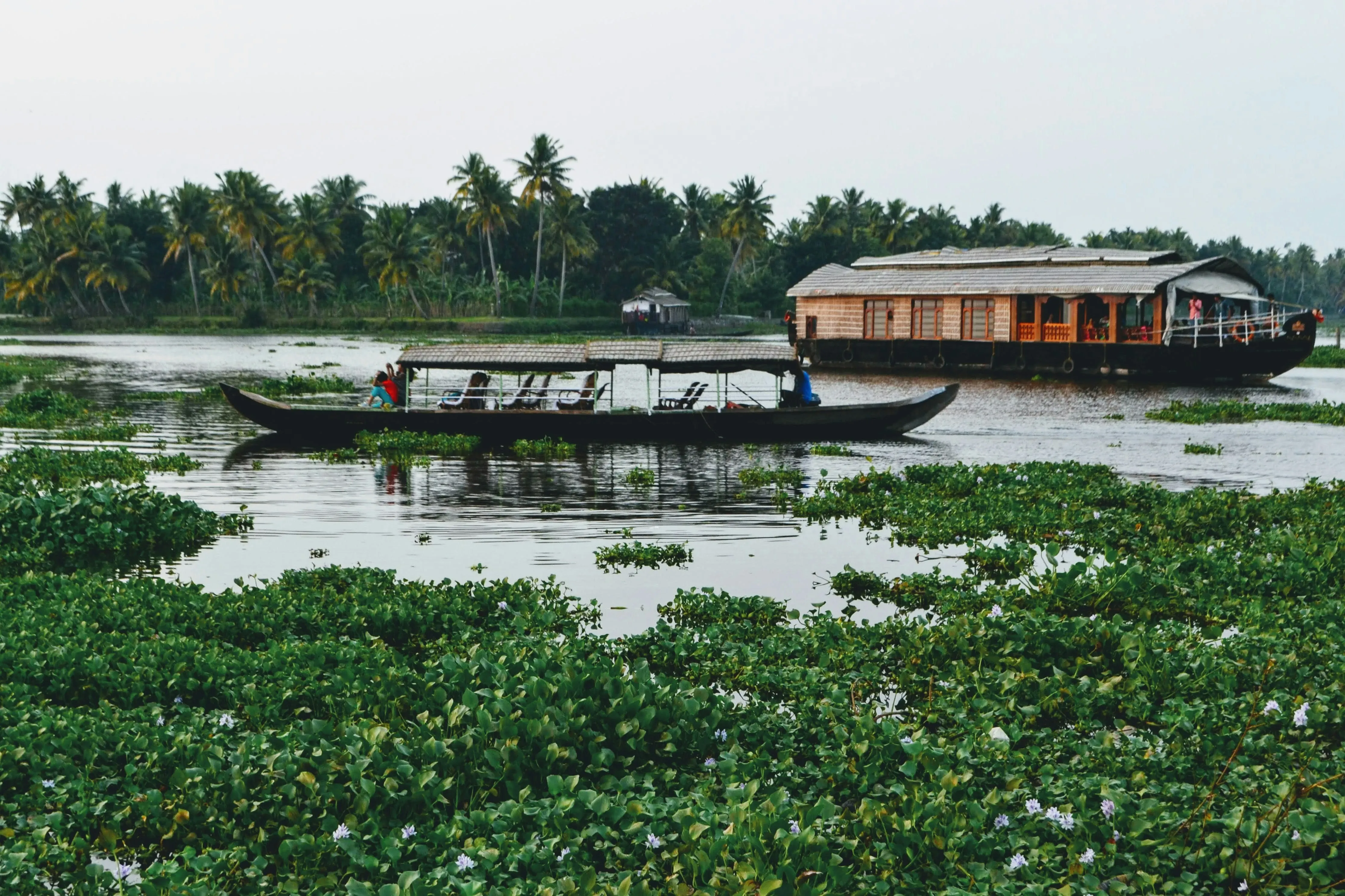
After checking in, settle aboard and watch the view change from the open deck. The boat moves through stretches of backwater, passing village homes, green fields and boats carrying local produce. The landscape is not simply something to photograph; it is also part of a living network of communities that depend on the waterways.
A houseboat offers a different kind of accommodation from the hotels used earlier in the trip. Instead of returning to a room after sightseeing, the journey itself becomes the evening's activity. Meals are often prepared on board, with arrangements depending on the boat and package selected. Traditional Kerala dishes, including fish preparations when available, can add to the experience.
As the light softens towards evening, the water takes on a quieter character. The boat eventually settles at its designated stopping point, and the night is spent on board. For many travellers, this is the point at which the journey slows down properly.
It is worth checking what the houseboat package includes before booking. Meal arrangements, air-conditioning hours, cruising schedules and permitted routes can vary. A private houseboat may also offer a different experience from a shared or budget option.
KOCHI: HISTORY BEFORE THE JOURNEY ENDS
The final day begins with breakfast on the houseboat, followed by check-out and the drive to Kochi. The city offers a fitting end to the trip, bringing together maritime history, colonial-era architecture, shopping and the continuing activity of a major coastal centre.
Time is the main consideration. With a departure to catch, it is better to choose a few attractions than to attempt a complete city tour.
Fort Kochi is a natural starting point. The neighbourhood reflects centuries of contact between different communities and trading powers, visible in its old buildings, churches and streets. Along the waterfront, the Chinese fishing nets remain among Kochi's most recognisable sights. Their large wooden frames rise above the shore, offering a reminder of the region's long relationship with fishing and maritime trade.
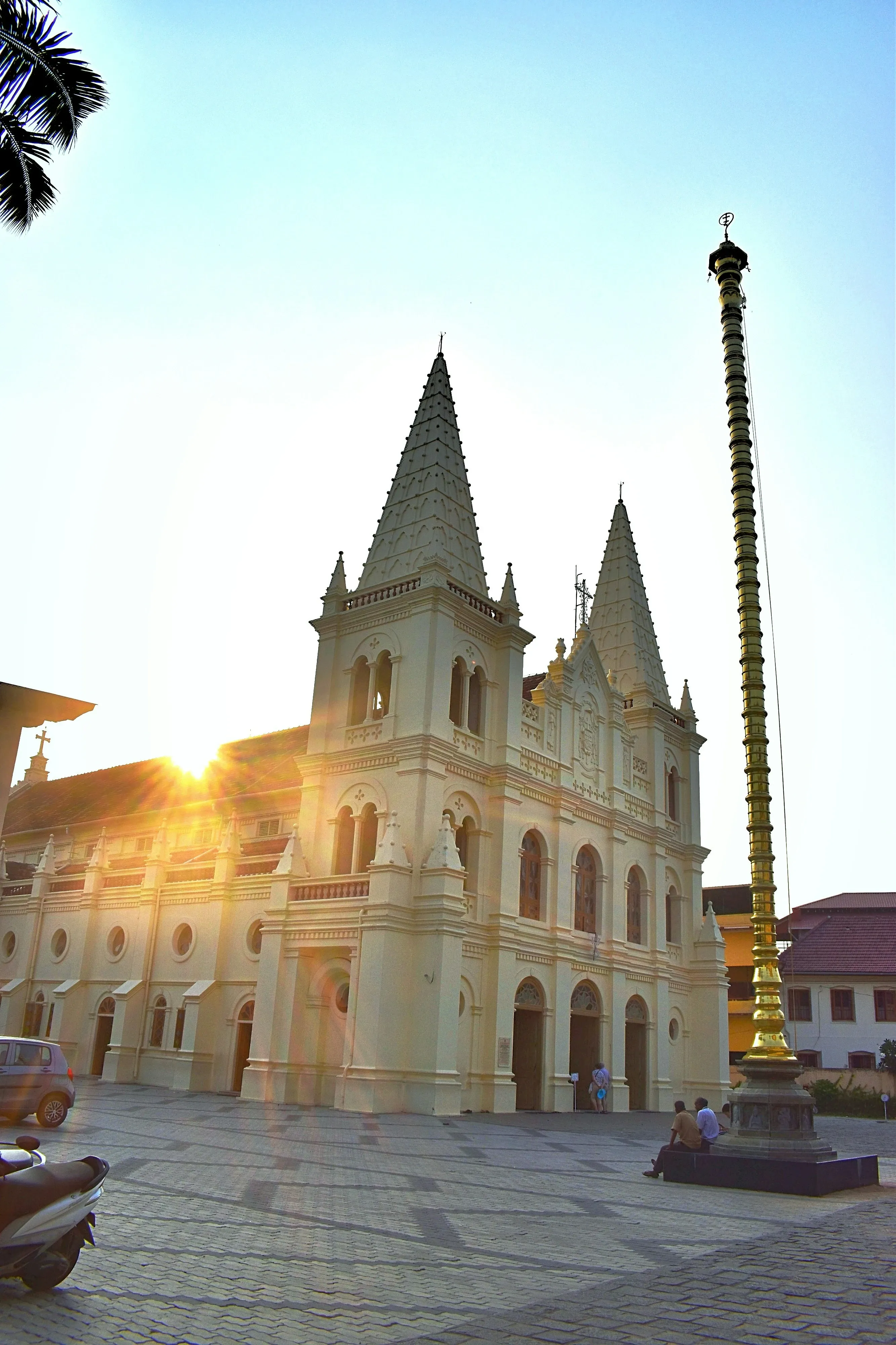
St. Francis Church is another significant stop, known for its association with the early European presence in India. Nearby, Santa Cruz Basilica stands out for its architecture and religious significance. These are separate landmarks, so travellers should allow time for both if they wish to visit them.
Across in Mattancherry, the Mattancherry Palace, also called the Dutch Palace, and the Paradesi Synagogue are important cultural attractions. Their opening days and hours can affect the order of a visit, so checking locally before departure is sensible.
If time permits, a short stop at Marine Drive offers a waterfront view within the mainland part of Kochi. Those looking for last-minute shopping can consider LuLu Mall, although a mall visit is best treated as optional on a departure day. Airport and railway transfers should take priority.
This final stretch is deliberately flexible. An early flight or train may allow only one or two sightseeing stops. A later departure creates more room to explore, but it is still wise to leave a margin for city traffic.
For travellers who prefer to visit all the Kochi attractions without watching the clock, adding a sixth day is the better choice. It allows Fort Kochi and Mattancherry to be explored at a more comfortable pace, with a separate night in the city before departure.
FOOD ALONG THE WAY
Kerala's food is an important part of your Kerala tour plan, not an afterthought. The flavours change subtly between destinations, and local ingredients often tell you as much about the region as the scenery does.
In Munnar, a hot cup of locally produced tea is almost essential, particularly during a cool morning or misty evening. Thekkady is a good place to explore the use of pepper, cardamom and other spices that give Kerala cooking its distinctive character. In Alleppey, fish curry and fresh seafood may feature prominently, depending on the restaurant or houseboat menu.
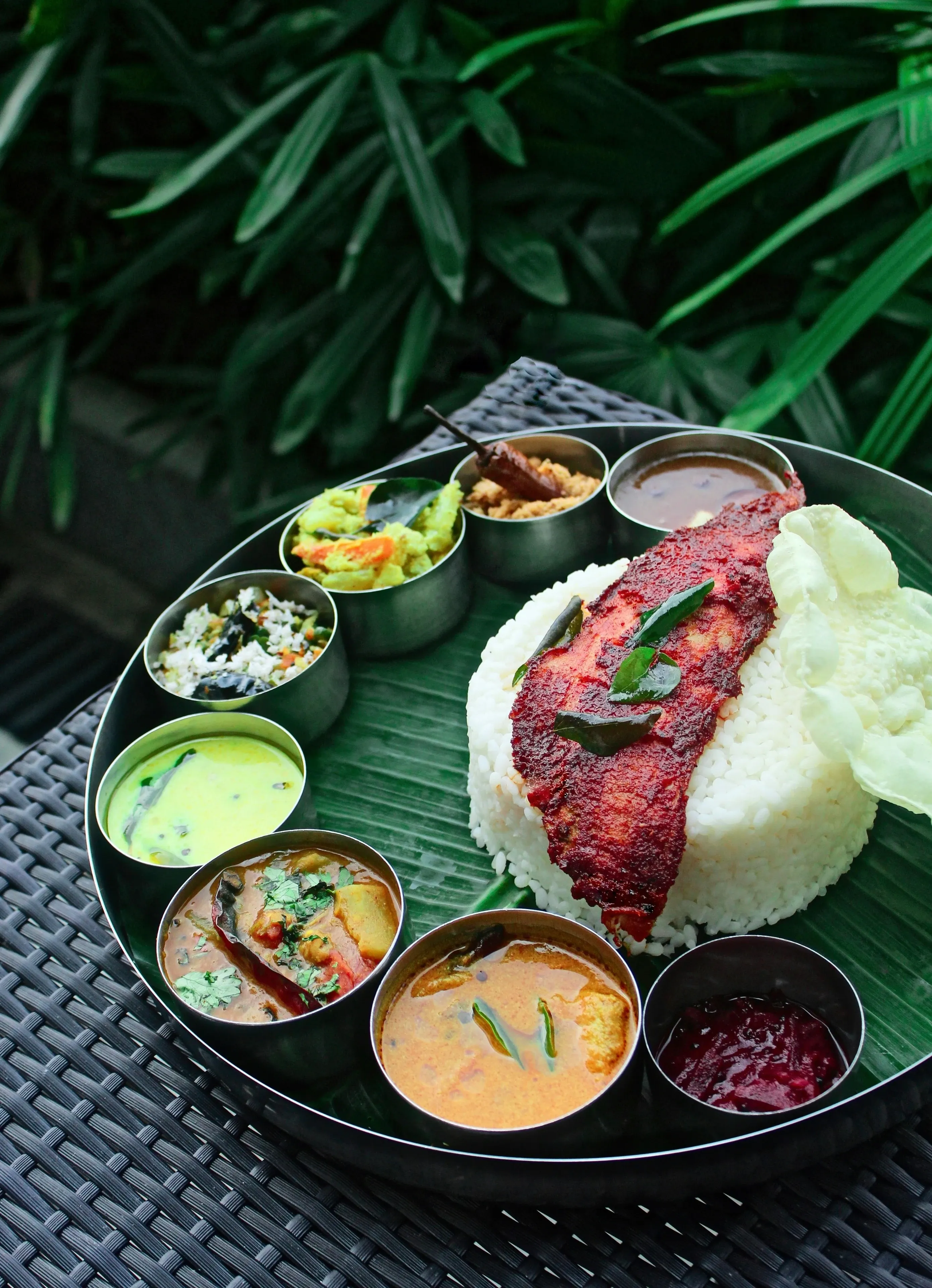
For a broader taste of the state, try dishes such as appam with stew, puttu with kadala curry and a traditional Kerala meal served with rice and several accompaniments. Vegetarian options are widely available, too.
There is no need to seek out an elaborate dining experience every day. A simple local meal between sightseeing stops can become one of the more memorable parts of the trip.
THE INFORMATION
- Best time to visit: November to February is generally a pleasant period for a Kerala trip package combining Munnar, Thekkady, Alleppey and Kochi. The hill stations are usually cooler, while the coastal areas remain warm. Kerala also has a strong monsoon season, broadly from June into September, with another period of rain around October and November. The monsoon can bring lush greenery but may affect road journeys and outdoor activities. Check the forecast before travelling. See Kerala Tourism's climate guide.
- Getting there: Cochin International Airport and Kochi's railway stations are practical arrival points for this route. Munnar is reached by road, followed by transfers to Thekkady and Alleppey. A private vehicle is the most convenient option for this itinerary, particularly when stopping at waterfalls and viewpoints along the way.
- How to plan the five days: Arrive in Cochin early on Day 1 and begin the drive to Munnar without a lengthy city visit. Keep Day 2 for Munnar, Day 3 for the transfer to Thekkady, and Day 4 for Alleppey's backwaters. On Day 5, prioritise the return journey and a limited selection of Kochi attractions. For a relaxed version with full Kochi sightseeing, allow six days instead.
- A few practical tips: Carry a light jacket for Munnar, comfortable footwear for sightseeing, and rain protection during wetter months. Reserve Periyar boating and the houseboat in advance during peak periods. Keep identification documents handy, confirm check-in and check-out timings, and leave enough time for airport or railway transfers. Optional activities in Thekkady should be booked according to your interests and available time.
Kerala tour plan in five days is a journey of changing rhythms. Munnar brings the cool air of the hills. Thekkady introduces the forest and its spice-scented surroundings. Alleppey replaces winding roads with waterways, while Kochi returns you to the movement of a coastal city with a long and layered history.
There is plenty left to discover beyond this route, of course. Yet even within five days, the journey offers a clear sense of Kerala's variety. The memories are likely to come from different places: the sound of a waterfall beside the road, a boat moving past a paddy field, the taste of a meal prepared with local spices, or the fishing nets standing against the evening sky.
The route works best when each destination is allowed to feel different. Not everything needs to be rushed, and not every stop needs to become a full day of sightseeing. Sometimes the journey is best remembered through the spaces between the places.